Table of Contents
Introduction: Why HVAC Installation Requires More Than Equipment
Heating, ventilation, and air conditioning systems are essential to the comfort, safety, and efficiency of modern buildings. From commercial offices and warehouses to manufacturing facilities and industrial operations, dependable HVAC equipment helps maintain appropriate indoor conditions and supports daily business activities.
However, installing these systems is rarely as simple as positioning equipment and connecting it to a power source.
A successful HVAC installation may require extensive site preparation, electrical infrastructure, structural considerations, utility coordination, equipment access, and careful construction scheduling. When multiple contractors are involved, even relatively small complications can affect the entire project.
For utility contractors, these challenges become particularly important because HVAC installation frequently depends on infrastructure that must be installed or modified before mechanical equipment can operate.
Doss and Horky Inc. understands the importance of coordinating construction activities across commercial and industrial projects. Through its experience with site preparation, heavy civil construction, industrial infrastructure, and utility-related work, the company can help support the groundwork required for successful facility improvements.
While specialized HVAC work must be performed by appropriately licensed and qualified professionals, experienced utility and construction contractors play an important supporting role.
Here are some of the most common challenges contractors encounter during HVAC installation and the practical approaches that can help address them.
1. Coordinating Multiple Contractors and Trades
One of the greatest challenges during HVAC installation is coordinating the different professionals involved.
A commercial or industrial project may require:
- Mechanical contractors
- Electrical contractors
- Utility contractors
- Structural engineers
- General contractors
- Equipment suppliers
- Building inspectors
- Facility managers
Each participant has responsibilities that may affect another contractor’s work.
For example, electrical infrastructure may need to be completed before HVAC equipment can be commissioned. Structural supports must be ready before large rooftop units are positioned. Underground utilities may need to be installed before final grading or paving.
Poor coordination can create delays, rework, and unnecessary expenses.
Doss and Horky’s broader construction experience supports an organized approach to these interconnected activities.
Clear scheduling, defined responsibilities, and consistent communication help ensure each phase is completed in the appropriate sequence.
2. Evaluating Existing Utility Infrastructure
Before new HVAC equipment is installed, contractors must understand the building’s existing utility systems.
Commercial and industrial HVAC equipment can place significant demands on electrical infrastructure and, depending on the equipment, other utility services.
Important considerations may include:
- Available electrical capacity
- Existing service connections
- Equipment power requirements
- Underground utility locations
- Natural gas availability
- Drainage requirements
- Existing infrastructure condition
An older facility may not have been designed to support modern equipment.
If the available electrical service is inadequate, upgrades may be necessary before installation can proceed.
These infrastructure limitations can become major HVAC installation challenges when they are discovered late in the project.
Experienced construction teams help reduce uncertainty by coordinating utility evaluations and identifying potential conflicts during planning.
3. Working Around Existing Underground Utilities
Underground infrastructure can complicate almost any construction project.
A commercial property may contain electrical lines, water services, sewer connections, communications cables, storm drainage, and other buried systems.
When an HVAC project requires new utility connections or site modifications, excavation must be planned carefully.
Existing records may not identify every buried line accurately.
Contractors should follow applicable utility-locating requirements and coordinate with utility owners before excavation begins.
In Kentucky, contacting 811 before digging is an important part of safe excavation planning. Privately owned underground lines may require additional locating arrangements.
Doss and Horky’s excavation and site preparation experience can support the careful planning necessary when utility-related construction takes place near existing infrastructure.
Proper preparation helps protect workers and reduces the risk of damaging essential services.
4. Managing Limited Construction Space
Not every facility offers generous space for equipment installation.
Existing commercial and industrial buildings may contain crowded mechanical areas, limited access routes, active production equipment, or tightly arranged utility systems.
These conditions can complicate HVAC installation.
Contractors may need to consider:
- Equipment delivery routes
- Crane access
- Structural clearances
- Utility connections
- Maintenance access
- Worker movement
- Emergency routes
A large rooftop unit, for example, may require specialized lifting equipment and careful coordination with building operations.
Ground-mounted equipment may require additional space for foundations, service access, and surrounding infrastructure.
Good planning evaluates these limitations before equipment arrives.
This can reduce the likelihood of discovering that equipment cannot be safely positioned or serviced as originally intended.
5. Preparing Stable Equipment Foundations
Large commercial HVAC systems may require dedicated foundations, equipment pads, or structural supports.
These elements must be appropriate for the equipment’s weight, vibration, operating requirements, and environmental conditions.
Depending on the project, construction may involve:
- Excavation
- Grading
- Concrete pads
- Equipment foundations
- Drainage improvements
- Access preparation
Improperly prepared foundations can create alignment, stability, or maintenance concerns.
For ground-mounted equipment, site conditions and drainage deserve particular attention.
Doss and Horky’s heavy civil and site construction capabilities can support the preparation of equipment areas according to approved engineering plans.
Strong foundations help create reliable conditions for the specialized mechanical installation that follows.
6. Addressing Drainage and Water Management
Water management is an often-overlooked part of HVAC installation.
Many HVAC systems produce condensate that must be drained appropriately. Outdoor equipment may also be exposed to rainfall, runoff, and seasonal weather conditions.
Poor drainage can contribute to:
- Standing water
- Equipment-area flooding
- Soil erosion
- Foundation deterioration
- Maintenance difficulties
- Damage to surrounding infrastructure
The appropriate solution depends on equipment requirements, site conditions, and applicable plumbing and mechanical codes.
For ground-level installations, grading and stormwater infrastructure may need to be coordinated with the mechanical design.
Doss and Horky’s experience with drainage, excavation, and site preparation can provide valuable support when construction involves these broader property conditions.
7. Maintaining Operations During Installation
Many commercial and industrial HVAC projects take place inside occupied or operating facilities.
A manufacturer may need to maintain production while replacing equipment. A warehouse may need to continue shipping orders. A commercial property may need to remain accessible to employees and customers.
These operational requirements create additional challenges.
Construction teams may need to coordinate:
- Temporary access
- Equipment deliveries
- Utility shutdowns
- Work-zone separation
- Noise and dust management
- Employee traffic
- Installation schedules
In some cases, work must be completed in phases to reduce disruption.
A carefully planned HVAC installation considers not only the finished equipment but also how construction will affect the facility while work is underway.
Doss and Horky’s experience with industrial construction helps support this practical perspective.
8. Meeting Building Codes and Licensing Requirements
Commercial HVAC work is subject to technical and regulatory requirements.
Depending on the project, applicable standards may address:
- Mechanical systems
- Electrical installations
- Structural supports
- Ventilation
- Energy efficiency
- Refrigerant handling
- Fire protection
- Equipment access
Kentucky has licensing requirements for HVAC professionals, and certain electrical or plumbing activities require separately qualified trades.
Utility contractors should not assume that general construction experience authorizes them to perform regulated mechanical work.
Instead, projects should assign each specialized activity to appropriately licensed professionals.
Doss and Horky’s supporting construction role can involve coordinating site and infrastructure work with the mechanical contractor and other qualified trades.
Clear responsibility assignments help avoid compliance problems and improve project coordination.
9. Managing Electrical Infrastructure Requirements
HVAC equipment often requires substantial electrical capacity.
Large commercial systems may include compressors, fans, pumps, controls, and other electrical components.
Before installation, qualified professionals must evaluate whether existing electrical infrastructure can support the equipment.
Potential considerations include:
- Electrical service capacity
- Circuit requirements
- Disconnecting means
- Equipment protection
- Control wiring
- Utility coordination
- Applicable electrical codes
If upgrades are required, they may affect the construction schedule.
A utility-related contractor may support excavation, conduit routes, or other approved site infrastructure, while licensed electrical professionals perform regulated electrical work.
Successful HVAC installation depends on coordinating these responsibilities before construction begins.
10. Handling Equipment Delivery and Site Access
Commercial and industrial HVAC equipment can be large, heavy, and difficult to transport.
Delivery planning may involve:
- Truck access
- Loading areas
- Crane positioning
- Temporary road improvements
- Equipment staging
- Building access
- Coordination with other contractors
Poor access planning can delay installation or create unnecessary safety concerns.
For example, a facility may have adequate space for the equipment itself but insufficient access for the machinery needed to position it.
Doss and Horky’s site preparation and heavy civil experience can help support projects requiring improved access or equipment staging areas.
Considering logistics early is one of the simplest ways to reduce avoidable construction complications.
11. Working Around Kentucky’s Changing Weather
Weather can influence nearly every outdoor construction activity.
Central Kentucky experiences seasonal temperature changes, rainfall, occasional snow and ice, and periods of severe weather.
These conditions may affect:
- Excavation
- Concrete work
- Equipment delivery
- Crane operations
- Site access
- Drainage
- Construction scheduling
Weather-related delays cannot always be prevented.
However, experienced contractors can prepare realistic schedules and consider seasonal conditions during planning.
For outdoor HVAC installation, weather may also influence when equipment can be safely lifted, positioned, or connected.
Flexible scheduling and clear communication help project teams respond when conditions change.
12. Preventing Construction Delays and Cost Overruns
HVAC projects often involve several interdependent activities.
A delay in one area can affect the entire schedule.
For example, equipment delivery may depend on foundation completion. Electrical work may depend on equipment placement. Testing and commissioning cannot proceed until necessary connections are complete.
Common sources of delay include:
- Unexpected site conditions
- Material availability
- Design changes
- Utility conflicts
- Inspection requirements
- Weather
- Coordination problems
Good project management helps reduce unnecessary disruptions.
Doss and Horky recognizes the value of detailed planning, resource coordination, and communication throughout construction.
When contractors understand how their work affects other trades, projects are better positioned to maintain progress.
13. Supporting Energy Efficiency Goals
Modern HVAC systems are often selected partly because of their potential to improve energy efficiency.
However, the performance of new equipment depends on more than its published specifications.
Proper installation, controls, building conditions, and commissioning all influence actual energy use.
A successful HVAC installation should consider:
- Equipment sizing
- Building requirements
- Electrical infrastructure
- Ventilation needs
- Controls integration
- Proper commissioning
- Maintenance accessibility
Mechanical engineers and qualified HVAC professionals should evaluate these technical requirements.
Supporting construction contractors can contribute by ensuring equipment areas, foundations, utility routes, and site infrastructure align with the approved design.
This coordinated approach helps protect the value of the equipment investment.
14. Planning for Long-Term Maintenance
HVAC equipment requires ongoing inspection and maintenance.
That means access should be considered before installation.
Technicians may need room to:
- Inspect equipment
- Replace components
- Service motors and fans
- Access electrical connections
- Clean equipment
- Perform routine maintenance
Poor equipment placement can make future maintenance more difficult and expensive.
For outdoor systems, access roads, equipment pads, drainage, and surrounding site conditions can all affect serviceability.
Doss and Horky’s broader construction perspective supports the importance of planning infrastructure around long-term use rather than immediate installation alone.
Why Utility Contractors Matter During HVAC Projects
Although specialized mechanical contractors perform HVAC system installation, utility and civil construction professionals can play an important supporting role.
Their responsibilities may include preparing sites, coordinating underground infrastructure, constructing approved equipment pads, improving access, and supporting related civil work.
These activities are especially important on large industrial and commercial projects.
A coordinated team helps ensure the mechanical installation has the infrastructure it needs.
Doss and Horky’s construction experience can support this process by addressing site-related and infrastructure challenges that overlap with HVAC work.
How Doss and Horky Inc. Supports Commercial and Industrial Construction
Doss and Horky Inc. brings practical experience to construction projects throughout Central Kentucky.
Its capabilities include work associated with:
- Industrial construction
- Commercial construction
- Site preparation
- Excavation and grading
- Heavy civil projects
- Utility-related infrastructure
- Construction coordination
These services can complement specialized mechanical work when a project requires broader site or facility improvements.
For example, a commercial HVAC replacement may involve new equipment pads or access improvements. An industrial expansion may require additional utility corridors or site preparation before mechanical equipment can be installed.
By coordinating the appropriate construction disciplines, project owners can create a more organized installation process.
Frequently Asked Questions
1. What are the biggest challenges during HVAC installation?
Common challenges include utility coordination, electrical capacity, limited space, equipment foundations, drainage, regulatory requirements, equipment access, and construction scheduling.
2. Do utility contractors install HVAC equipment?
Utility contractors may support site preparation and related infrastructure, but regulated HVAC installation work must be performed by appropriately licensed and qualified mechanical professionals.
3. Why is site preparation important for commercial HVAC systems?
Proper site preparation helps create stable equipment areas, reliable access, suitable drainage, and appropriate conditions for installation.
4. Can HVAC installation affect existing business operations?
Yes. Equipment deliveries, utility shutdowns, construction activities, and access restrictions may temporarily affect operations. Careful planning can help reduce disruption.
5. Why is electrical infrastructure important?
HVAC equipment requires electrical power and controls. Existing infrastructure must be evaluated to determine whether it can safely support the new system.
6. How can Doss and Horky support an HVAC-related construction project?
Doss and Horky can support applicable site preparation, excavation, grading, heavy civil work, equipment-area construction, and utility-related infrastructure coordination alongside qualified mechanical and electrical contractors.
Conclusion: Successful HVAC Projects Depend on Strong Coordination
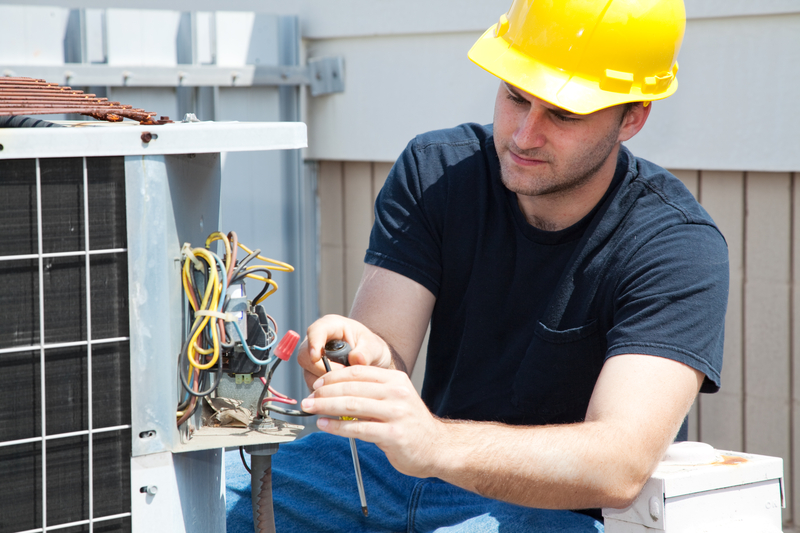
Commercial and industrial HVAC installation requires much more than selecting equipment and arranging for mechanical work.
Projects may involve electrical infrastructure, site preparation, equipment foundations, underground utilities, drainage, access improvements, safety planning, and coordination among several specialized contractors.
Each component must be addressed carefully.
Unexpected underground conditions, limited working space, weather, regulatory requirements, and active facility operations can all create complications.
Fortunately, experienced construction teams can help project owners prepare for these challenges.
Doss and Horky Inc. brings practical site-development, industrial construction, utility-related, and heavy civil capabilities to projects throughout Central Kentucky. By supporting the infrastructure surrounding specialized mechanical installations, the company can help clients approach complex construction needs with greater confidence.
The most successful HVAC projects begin with clear planning, qualified professionals, effective communication, and a complete understanding of how every part of the installation fits together.
With those fundamentals in place, businesses can create stronger infrastructure, reduce avoidable complications, and prepare their facilities for dependable long-term operation.
Interested in partnering with Doss and Horky Inc and our team of expert utility contractors? Start by getting in contact here.