Table of Contents
Introduction: Utility Construction Rarely Comes Without Challenges
Utility construction is some of the most important work performed on an industrial, commercial, or infrastructure project. Electrical service, water systems, drainage, underground lines, and other utilities may eventually disappear beneath the ground or behind finished construction, but the facilities above them depend on those systems every day.
Getting that work right isn’t always simple.
Contractors can encounter unknown underground conditions, changing weather, difficult soil, crowded job sites, strict schedules, safety hazards, and coordination requirements involving numerous project partners. These utility contracting challenges require more than equipment and labor. They require experience, planning, communication, and the ability to respond when conditions change.
Doss and Horky Inc. brings practical construction knowledge to utility and infrastructure projects throughout Central Kentucky. Rather than assuming every project will proceed exactly according to plan, the company approaches utility work with an understanding that field conditions require adaptability.
Here are 10 common utility contracting challenges—and how an experienced contractor like Doss and Horky can tackle them.
1. Unknown Underground Conditions
One of the biggest uncertainties in utility construction is what lies beneath the surface.
Existing sites may contain:
- Older utility lines
- Abandoned infrastructure
- Drainage systems
- Foundations
- Rock
- Unexpected soil conditions
Even when drawings and records are available, existing conditions may differ from what project teams expect.
This is one of the most serious utility contracting challenges because discovering unexpected infrastructure after excavation begins can affect both safety and scheduling.
Doss and Horky’s practical field experience helps its teams approach excavation carefully. Preconstruction planning, available utility information, site observations, and required locating procedures all contribute to reducing uncertainty.
When unexpected conditions do appear, communication becomes essential. The goal is to understand the situation, coordinate with appropriate parties, and determine a safe path forward rather than rushing into a decision.
2. Coordinating Multiple Utility Systems
Modern commercial and industrial sites can contain a complicated network of infrastructure.
A project might involve:
- Electrical service
- Water lines
- Storm drainage
- Sanitary systems
- Communications
- Process utilities
Each system needs space, access, and appropriate separation from other infrastructure.
Coordination becomes especially challenging when utilities cross one another or need to fit into constrained areas.
Doss and Horky tackles these utility contracting challenges by looking at the broader site rather than focusing only on one trench or connection.
Good planning considers how underground infrastructure interacts with roads, foundations, buildings, equipment areas, and future maintenance access.
That complete-site perspective can help reduce conflicts before they reach the field.
3. Maintaining Safety Around Excavation and Utilities
Utility construction introduces significant safety considerations.
Excavations, heavy equipment, underground services, traffic, and electrical infrastructure can all create hazards.
Safe utility work requires careful attention to:
- Utility locating
- Excavation procedures
- Equipment operation
- Access and egress
- Worker training
- Job-site communication
- Applicable safety requirements
The Occupational Safety and Health Administration provides specific information regarding trenching and excavation hazards, emphasizing how seriously this work must be treated.
Doss and Horky approaches safety as part of professional project execution rather than an obstacle to productivity.
Among all utility contracting challenges, protecting workers must remain the highest priority.
4. Difficult Soil and Site Conditions
Not every construction site offers ideal conditions.
Crews may encounter:
- Rock
- Soft soils
- Wet ground
- Existing fill
- Steep terrain
- Limited working space
These conditions can affect excavation methods, equipment selection, scheduling, and restoration.
Experienced contractors understand that field conditions may require the original construction approach to be adjusted.
Doss and Horky’s site preparation, excavation, and heavy civil capabilities provide valuable experience when utility work intersects with difficult terrain.
Instead of treating the utility installation as separate from the surrounding site, the company can consider grading, drainage, access, and earthwork as part of the overall solution.
5. Weather and Water Management
Kentucky weather can create significant construction complications.
Heavy rainfall may fill excavations, soften access routes, increase erosion, and affect soil conditions. Cold weather can create different challenges, while periods of extreme heat can influence workforce planning.
Weather is among the utility contracting challenges no contractor can eliminate.
What contractors can control is preparation.
Useful strategies may involve:
- Drainage planning
- Erosion-control measures
- Site access management
- Appropriate scheduling
- Monitoring changing conditions
Doss and Horky’s experience with civil and site construction helps teams understand how water and terrain can influence utility work.
The goal is not to pretend weather won’t affect construction. It is to prepare so the project can respond effectively when it does.
6. Working Around Active Facilities
Many utility projects take place at facilities that need to remain operational.
Manufacturing plants, warehouses, commercial properties, and industrial sites may not be able to shut down simply because construction is underway.
That creates another set of utility contracting challenges.
Contractors may need to coordinate:
- Temporary access
- Utility shutdowns
- Equipment traffic
- Employee routes
- Deliveries
- Production schedules
Doss and Horky can work with clients to understand operational priorities before construction begins.
Phased work, carefully planned shutdown windows, and clear communication can help reduce unnecessary disruption.
In these environments, successful utility contracting isn’t measured only by the finished infrastructure. How effectively the work is completed around the client’s operation matters too.
7. Keeping Complex Projects on Schedule
Utility construction often sits directly in the path of other project activities.
A delayed underground system may prevent:
- Foundation work
- Road construction
- Building connections
- Equipment installation
- Final grading
This makes scheduling one of the most important utility contracting challenges to manage.
Doss and Horky uses project coordination to help keep labor, equipment, materials, and construction sequencing aligned.
Effective scheduling includes more than establishing a completion date. Contractors also need to understand dependencies between individual activities.
If another crew cannot begin until a utility installation is completed, that relationship needs to be recognized early.
Strong project management helps everyone understand which milestones matter most.
8. Controlling Costs When Conditions Change
Unexpected conditions can create financial pressure.
Rock excavation, utility conflicts, material changes, weather delays, or revised project requirements may affect costs.
The challenge is maintaining transparency when these situations arise.
Doss and Horky’s approach emphasizes communication and practical problem-solving. When project conditions change, clients need clear information about what has been discovered, why it matters, and what options may be available.
Good planning can reduce some surprises, but it cannot eliminate every unknown.
Managing utility contracting challenges effectively therefore requires both cost awareness and honest communication.
Clients should be able to make informed decisions rather than discovering major changes after the fact.
9. Maintaining Quality Across Hidden Infrastructure
One unusual characteristic of utility construction is that much of the finished work eventually becomes difficult to see.
Once trenches are backfilled and the site is restored, owners may have limited direct access to underground infrastructure.
That makes installation quality especially important.
Utility work should consider:
- Proper placement
- Connections
- Suitable materials
- Backfill
- Compaction
- Documentation
- Testing where required
Doss and Horky understands that buried infrastructure still needs to deliver dependable long-term performance.
Quality should never decrease simply because the finished work won’t remain visible.
Among common utility contracting challenges, maintaining consistent workmanship throughout underground construction is essential to protecting long-term project value.
10. Planning for Future Maintenance and Expansion
Today’s utility requirements may not be tomorrow’s.
Businesses expand. New equipment is installed. Facilities add production capacity. Additional buildings may be constructed.
Infrastructure planning should therefore consider future needs whenever practical.
Potential considerations include:
- Utility capacity
- Access points
- Expansion routes
- Maintenance access
- Future site development
Doss and Horky’s broader industrial and construction experience helps bring this long-term perspective to utility work.
Planning for future possibilities doesn’t necessarily mean installing oversized systems everywhere. It means understanding the client’s long-term goals and avoiding unnecessary limitations.
Addressing these utility contracting challenges early can make future expansion considerably easier.
Why Experience Matters in Utility Contracting
Utility construction combines technical requirements with unpredictable field conditions.
Plans are essential, but experienced judgment remains valuable when the project encounters something unexpected.
A capable utility contractor needs to understand:
- Excavation
- Site development
- Construction sequencing
- Safety
- Infrastructure coordination
- Client operations
Doss and Horky’s experience across utility, industrial, heavy civil, and site construction allows the company to view projects from several perspectives.
That breadth can be particularly valuable when one challenge affects multiple construction scopes.
Good Communication Solves Problems Faster
Many construction problems become worse when communication is delayed.
Imagine discovering an unexpected underground conflict. The field crew may need information from engineers, owners, utility representatives, or other contractors before work can proceed safely.
Clear communication helps get the right people involved quickly.
Doss and Horky recognizes that tackling utility contracting challenges is often a team effort.
Owners should understand what crews are seeing in the field. Contractors need accurate design information. Engineers need timely feedback when conditions differ from plans.
Strong communication connects those groups.
Site Preparation and Utility Construction Go Hand in Hand
Utility installation does not happen in isolation.
Site grading influences drainage. Roads affect equipment access. Building foundations determine routing possibilities. Existing infrastructure creates physical constraints.
This is why Doss and Horky’s site preparation and heavy civil capabilities can complement utility work.
A contractor that understands the entire site can better recognize how individual construction decisions affect other systems.
This integrated approach is especially useful on complex industrial developments where utilities are only one part of a much larger construction program.
Why Quality Utility Construction Creates Long-Term Value
Utility infrastructure can remain in service for many years.
Quality work can help support:
- Reliable facility operation
- Easier maintenance
- Future expansion
- Reduced risk of recurring repairs
The cheapest or fastest approach is not always the most valuable over the full life of a facility.
Doss and Horky focuses on dependable construction fundamentals: planning carefully, executing professionally, communicating clearly, and keeping long-term performance in mind.
That mindset helps transform utility contracting challenges into manageable project responsibilities.
Frequently Asked Questions
1. What are the most common utility contracting challenges?
Common challenges include unknown underground conditions, utility conflicts, difficult soils, weather, safety requirements, active facilities, schedule pressure, changing costs, quality control, and future expansion needs.
2. Why are underground conditions difficult to predict?
Existing drawings may be incomplete, older infrastructure may remain underground, and soil or rock conditions can vary across a site.
3. How can contractors reduce utility conflicts?
Early planning, utility locating, accurate information, site coordination, and communication between project teams can help identify potential conflicts before installation.
4. Why is utility construction safety so important?
Excavations, underground infrastructure, heavy equipment, and electrical systems can create serious hazards. Appropriate training and safe work procedures are essential.
5. Why should future expansion be considered?
Planning for future utility needs can help businesses avoid unnecessary reconstruction when facilities or operations grow.
6. How does Doss and Horky address utility contracting challenges?
Doss and Horky combines field experience, site and civil construction knowledge, project coordination, safety awareness, quality workmanship, and communication to address the practical challenges surrounding utility projects.
Conclusion: Experience Turns Utility Challenges Into Solutions
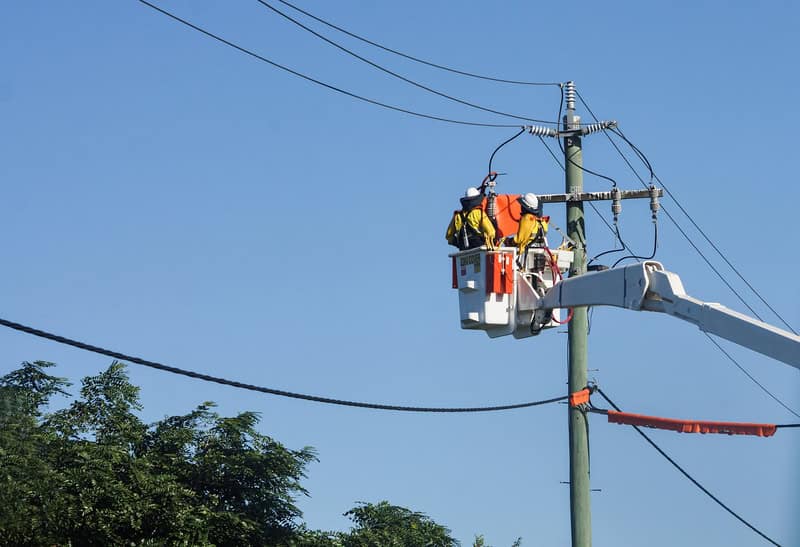
Utility construction will always involve some uncertainty. Contractors work underground, around existing infrastructure, in changing weather, and within sites that may need to remain operational throughout construction.
Those realities make utility contracting challenges unavoidable—but they don’t have to become unmanageable.
Doss and Horky Inc. brings practical construction experience, site-development capabilities, heavy civil knowledge, safety awareness, and project coordination to utility work throughout Central Kentucky. By planning carefully and responding professionally when conditions change, the company helps clients keep difficult projects moving toward successful completion.
From unknown underground infrastructure and weather concerns to scheduling, quality control, and future expansion, the best approach is the same: understand the challenge, communicate clearly, and apply the right construction expertise.
That’s how Doss and Horky tackles utility contracting challenges—and helps build infrastructure clients can rely on for years to come.
Interested in seeing how Doss and Horky address challenges in your own Utility project? Contact Doss and Horky Inc. here for more information.